

Whether we recognize it or not, we all seek a noble imitation. We want to be conformed to our Creator, to be like him, to be true.
“You have made us for yourself, O Lord” wrote St. Augustine, “and our hearts are restless until they find rest in you.”1
The for in the first part of that sentence, Peter Kreeft tells us, is translated from the Latin word ad, which is a preposition expressing dynamic movement. It means “toward.” God has made us toward himself.2
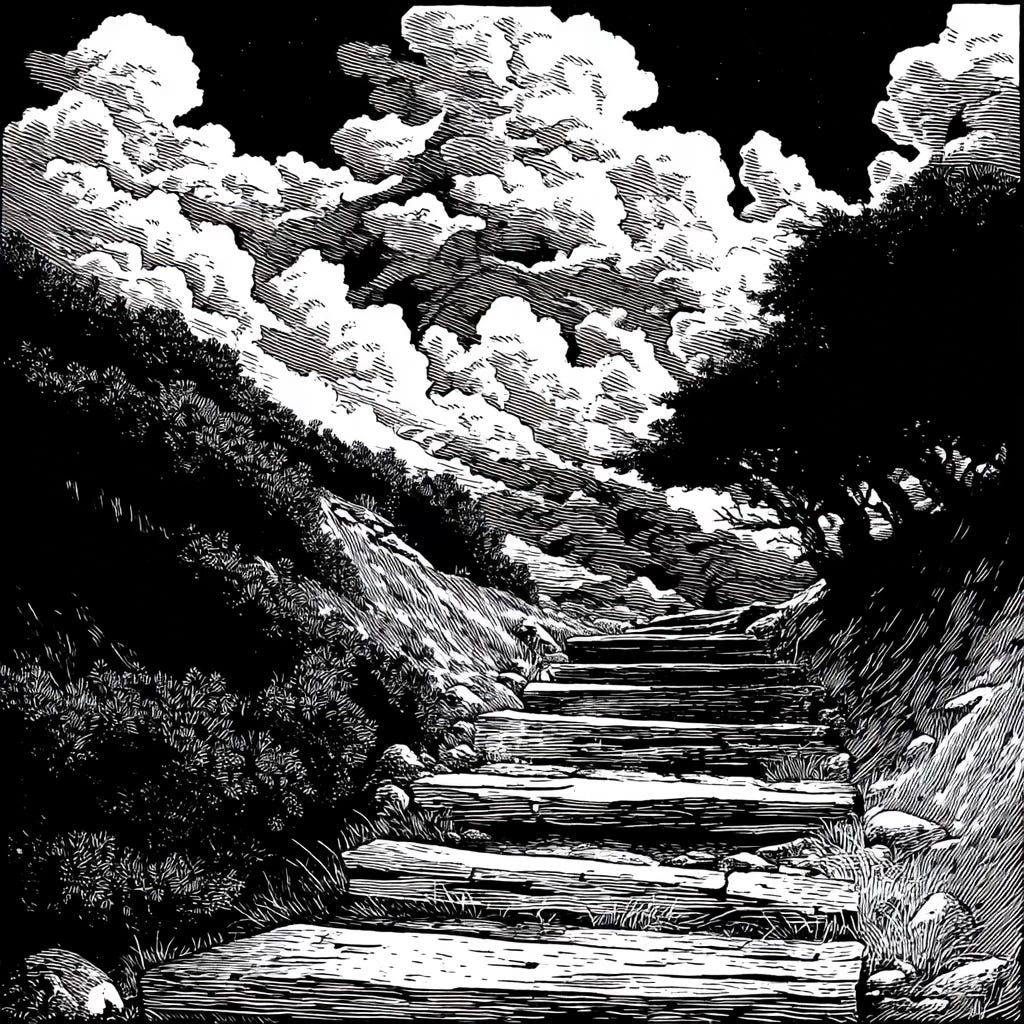
That is, he has designed us to be creatures in an active and constant progression toward him—not geographically, but constitutionally. In other words, our nature progresses toward his nature. We acquire, more and more, the divine likeness (2 Pet 1:4). That’s our ultimate desire, that’s what we really want, to move toward God—to be fashioned forever into his likeness.
Room to Reflect
What “noble imitation” am I consciously or unconsciously pursuing right now?
Where do I sense that my nature is slowly progressing toward His nature?
What does it stir in me to know that my deepest desire is to be fashioned into God’s likeness forever?
Augustine. The Confessions of St. Augustine. (United Kingdom: Image Books, 1960), 1.
Peter Kreeft, I Burned for Your Peace: Augustine’s Confessions Unpacked (San Francisco: Ignatius Press, 2016), 21-23.